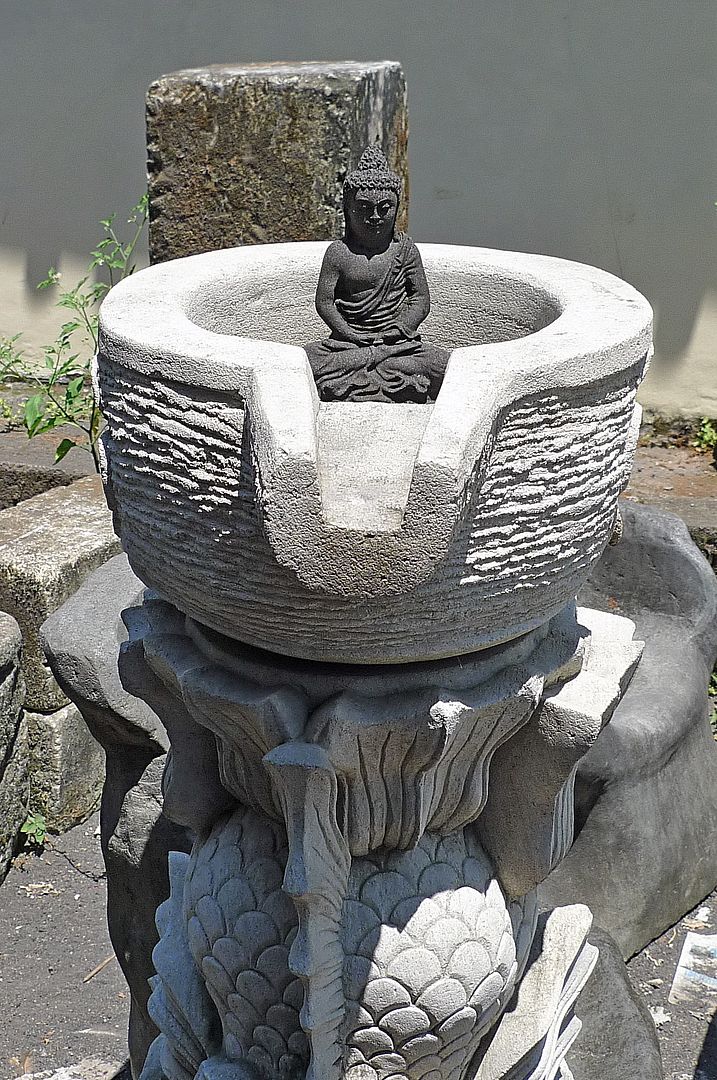
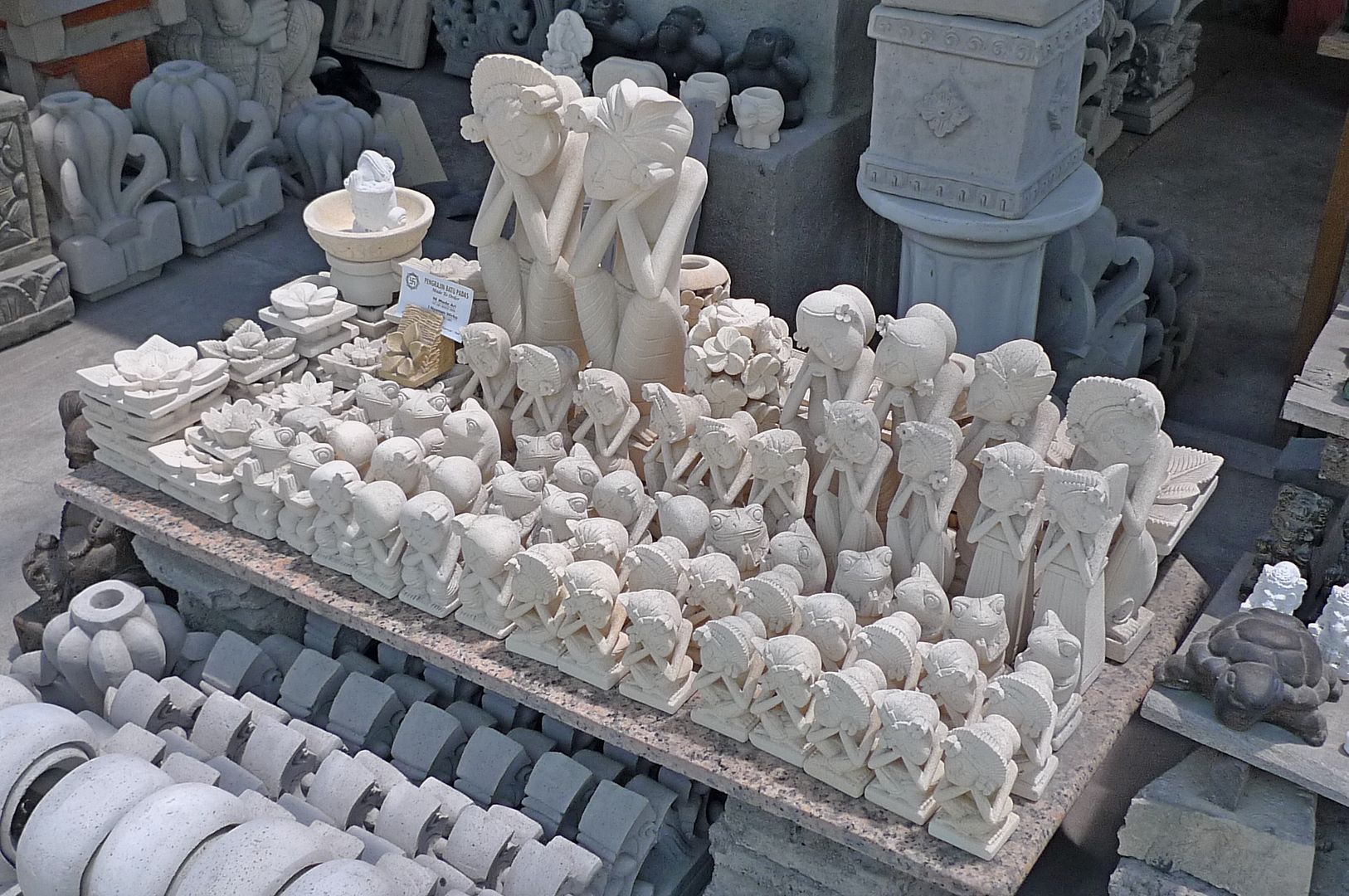
Showing posts with label art. Show all posts

Thursday, October 13, 2011

My Visit To Artisans d'Angkor In Siem Reap

On our 4th day in Cambodia, Jam, his friend and I left Siem Reap for Phnom Penh by bus in the afternoon. We had some free time in the morning so we decided to visit Artisans d'Angkor, a workshop that is famous for its woodworking, stone carving, lacquering and silk painting.

This workshop is located at Stung Thmey Street and is within walking distance from Angkor Friendship Inn where we stayed.
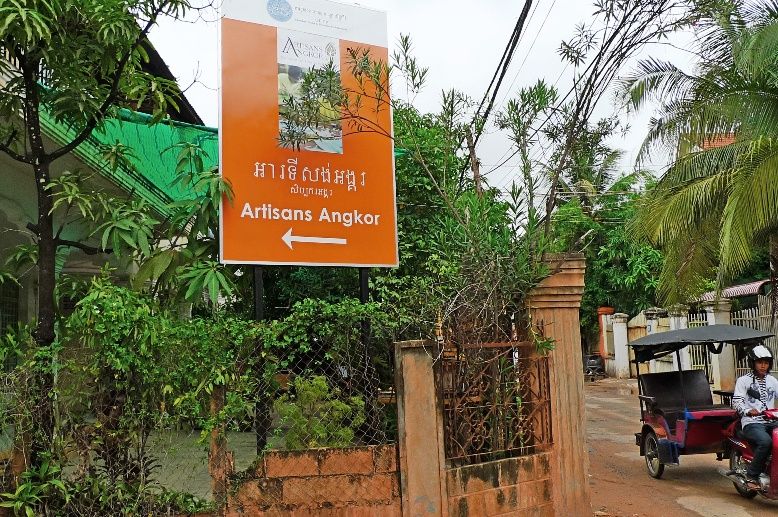


Artisans d'Angkor was originally a professional training school by the name of Chantiers-Écoles to train unschooled rural youth to make a living from handicraft production. In 1998, Artisan d' Angkor was established with financial support from the European Union.
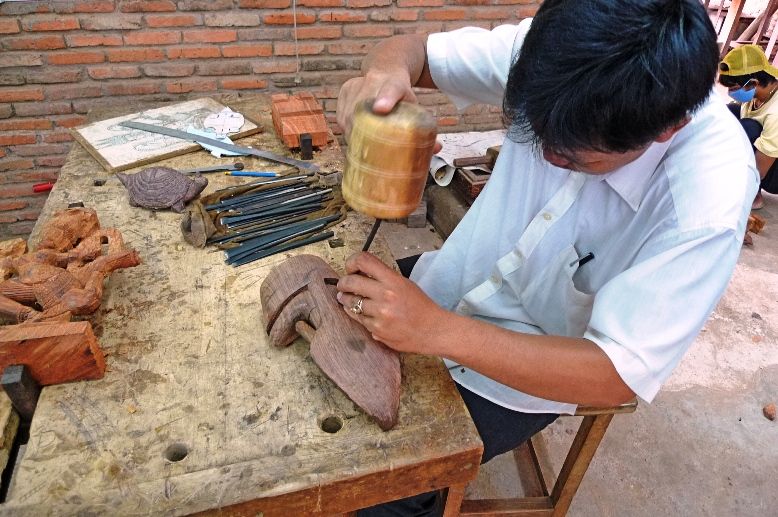


Today, it is completely self-financed, having trained young Cambodians in recreating the arts of their cultural heritage and at the same time offering them the opportunity to earn income for their families.
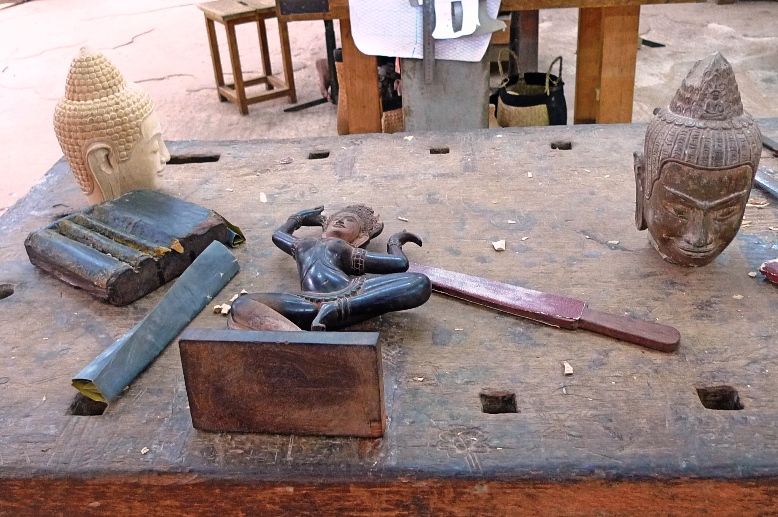


Entrance to the workshop is free. They also provided us with a free tour guide but we opted to tour on our own so that we could take our time and also without the hassle of being pressured to buy anything.
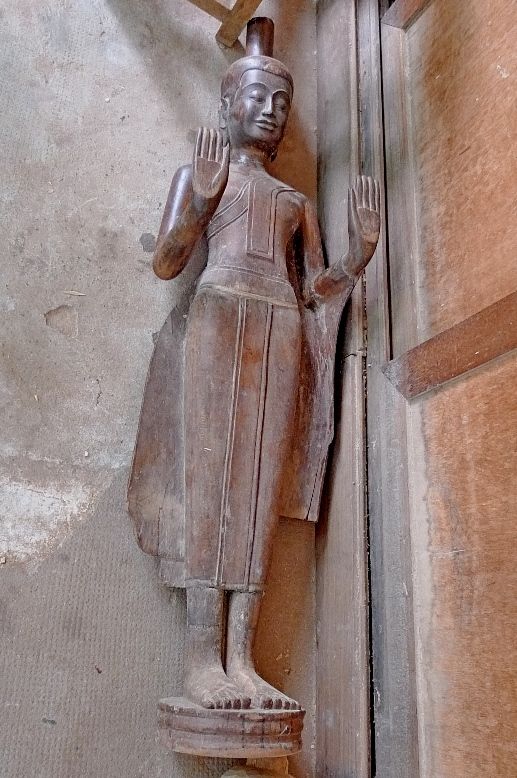


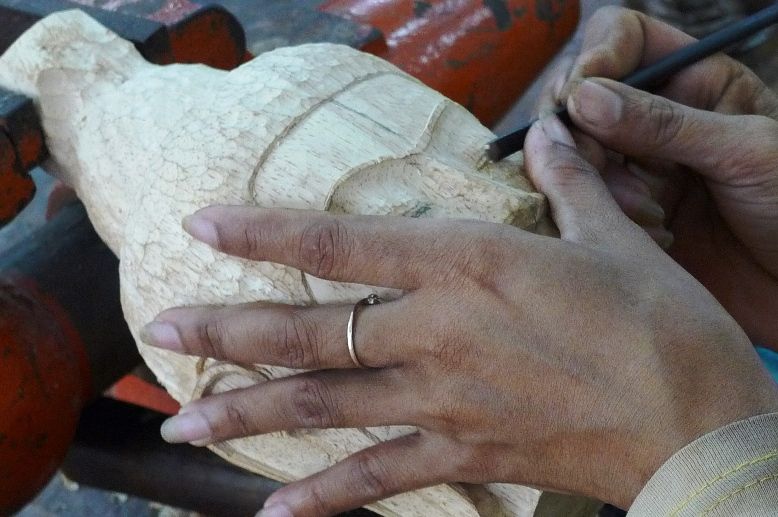
It was interesting to see the skillful workers carving woods. I think one needs to be highly skilled to be able to cut and shape the wood to turn them into beautiful sculptures.
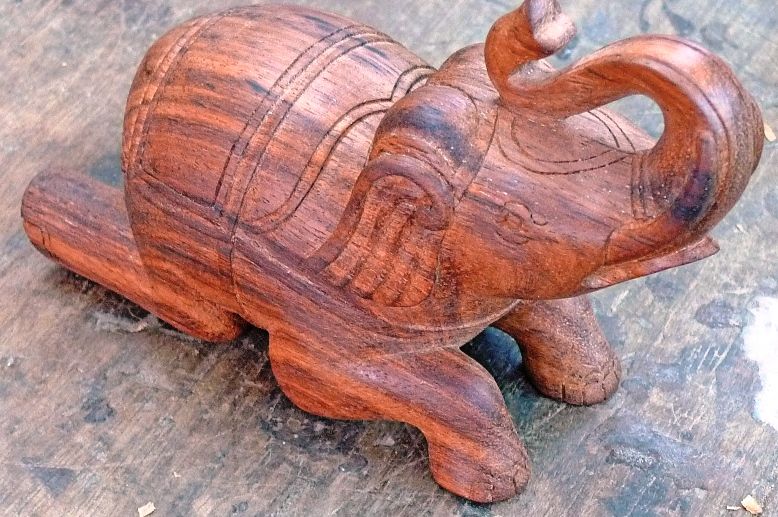


A crouching elephant carving

Stone carving is an art dating back to the ancient Khmer empire with the magnificent Angkorian temples as fine examples of this art. Just like the Angkorian temples, stone carvings are mostly carved from sandstone.


Buddha heads?
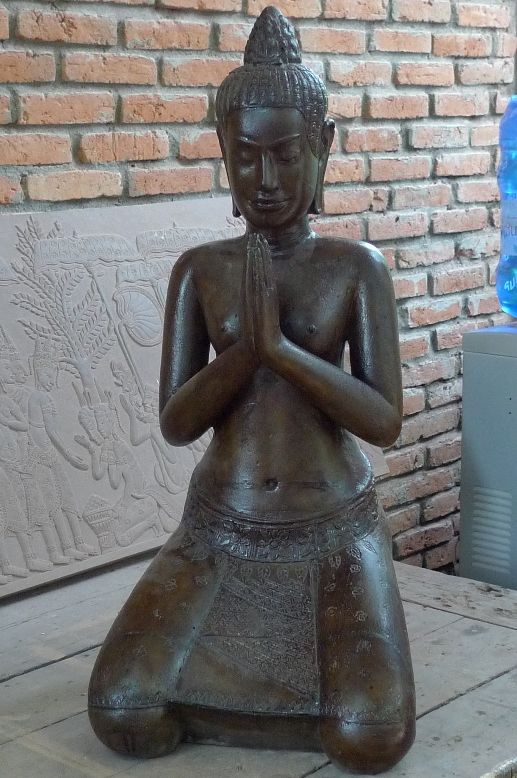

Beautifully sculptured kneeling statue
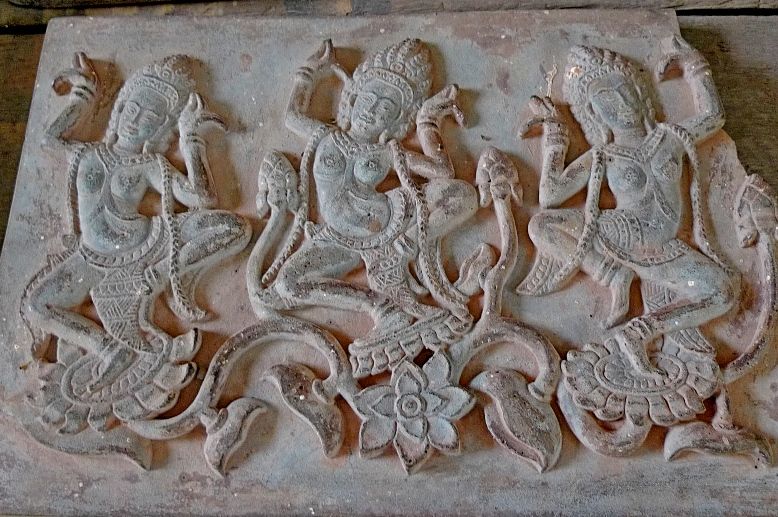


Carvings of three Apsara dancers
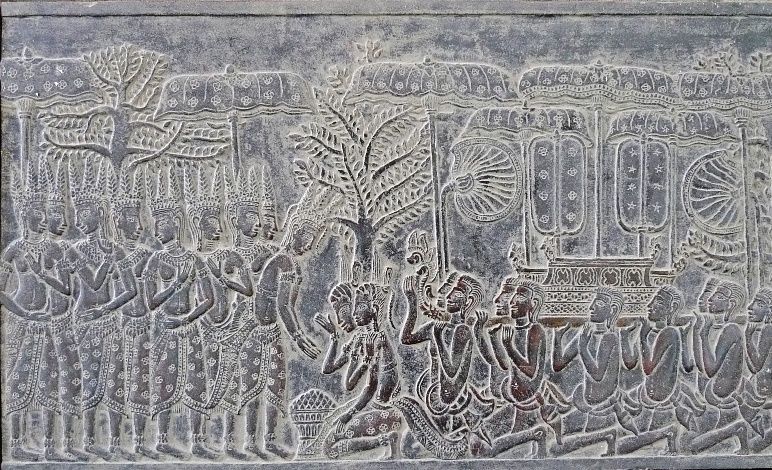


A masterpiece of intricate carvings
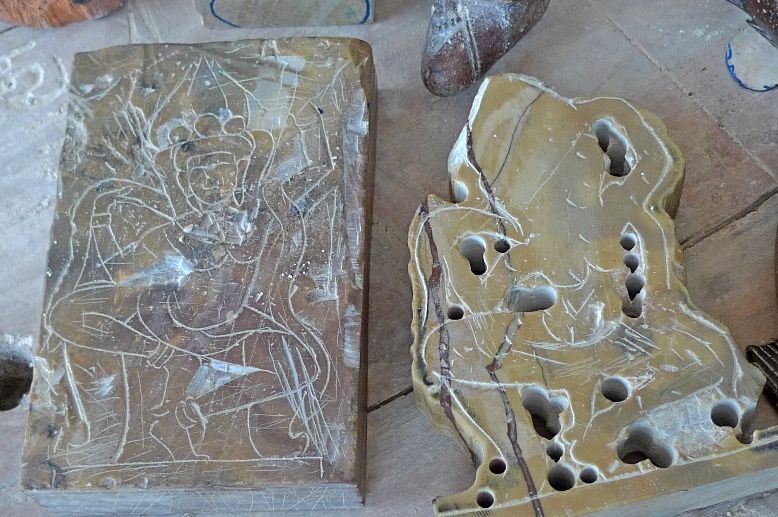

Sandstone cut and carved according to the drawing
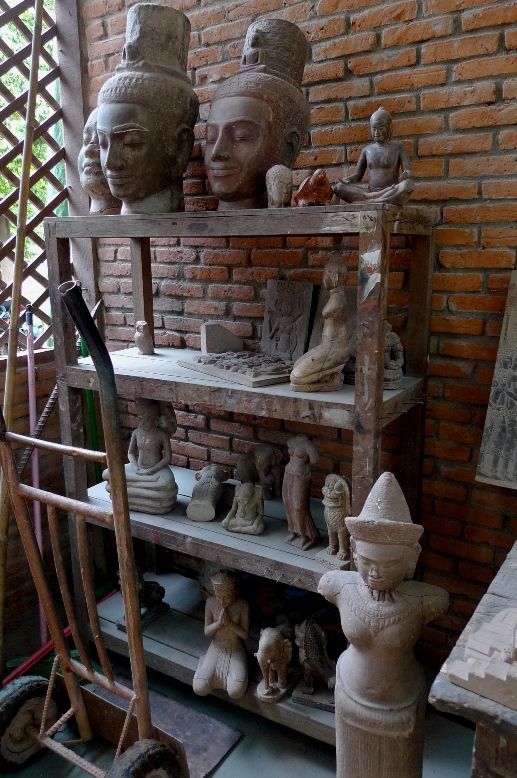


Completed sculptures and carvings on the shelf
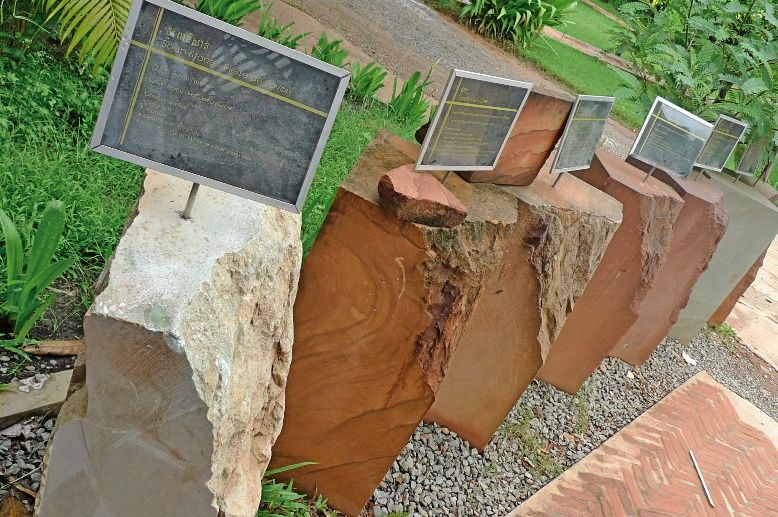


Different colours of sandstones

After the wood and stone carving workshops, we entered the polychromy, lacquering and gilding workshop. Polychromy involves several layers of chalk being applied on the wood carvings. Lacquer which protects the wood, is then applied to the layers of chalk. The lacquer also smoothen out the surface of the wood or stone to make colouring them easier. Copper leaf is then used during gilding to create the ‘golden’ effect on the statues.

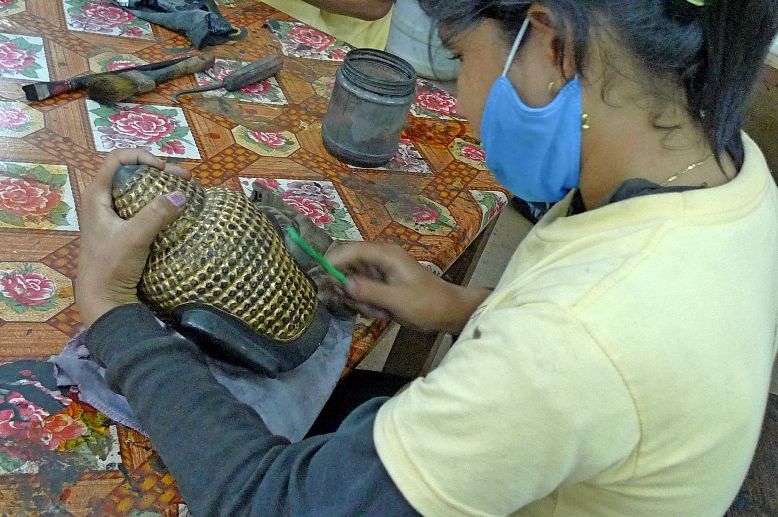
Below are a few photos of workers busy lacquering and gilding.


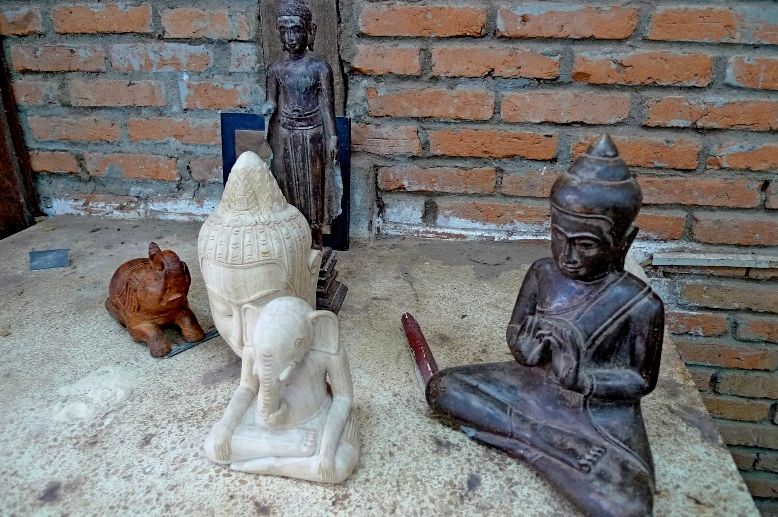
Can you differentiate between the lacquered and unlacquered pieces below?


I saw a worker busy with these tiny carvings.
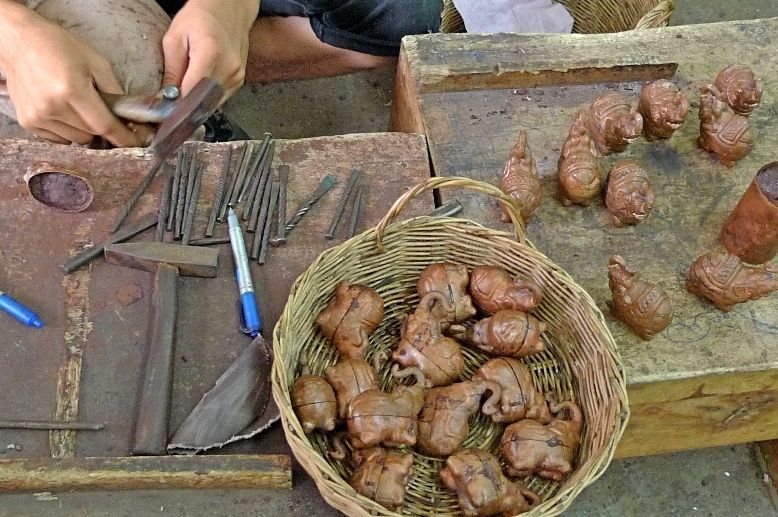


They turned out to be elephant carvings! Aren't they cute?
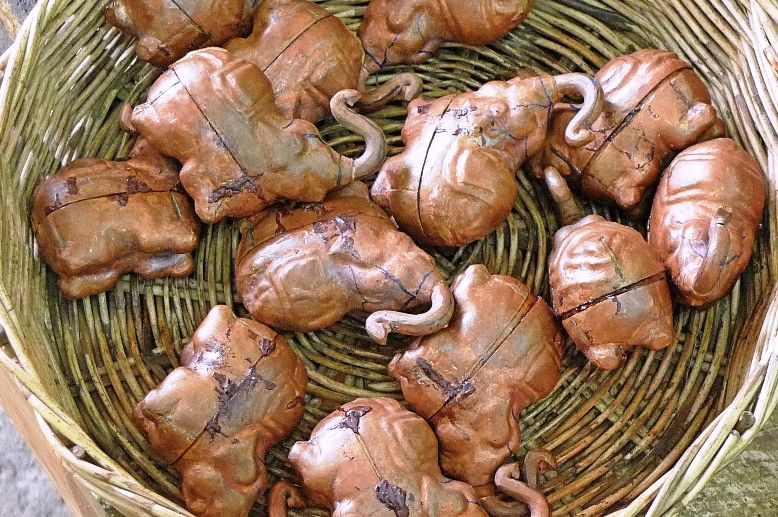


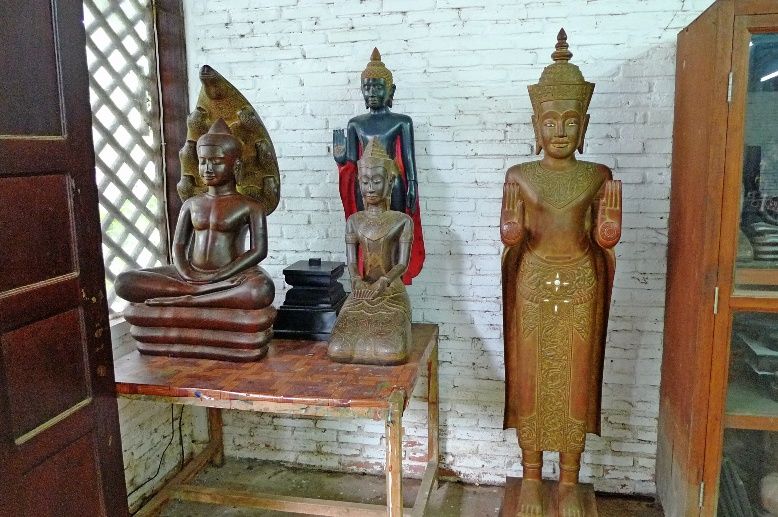
A few statues in the corner of the workshop room

Next, we visited the silk painting workshop. The silk is produced at a silk farm about 16km from Siem Reap. There is actually a shuttle bus to bring you to the silk farm but we did not have time for that!
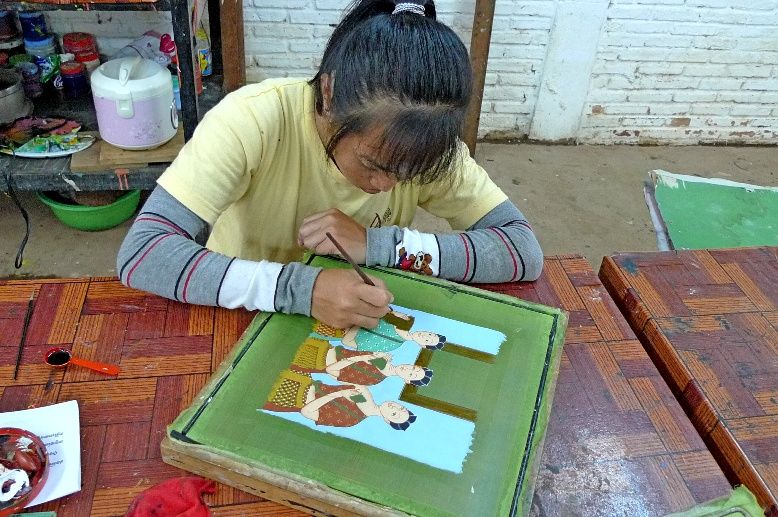


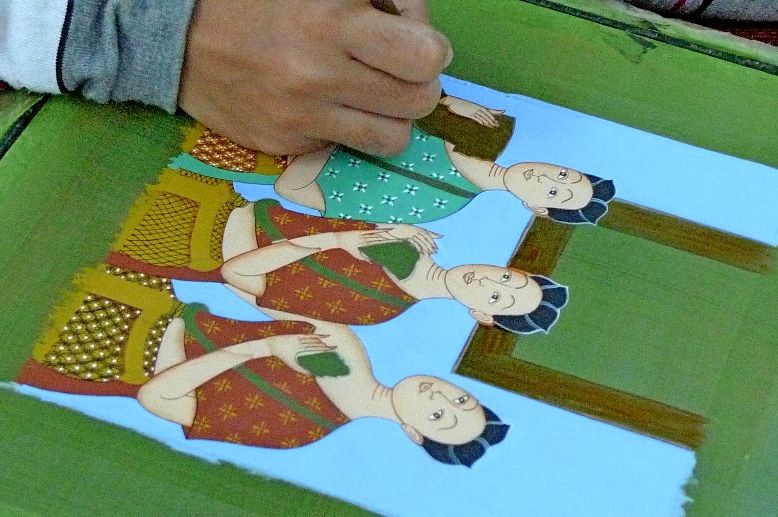
After the silk medium is set on a frame of predetermined size, motifs are drawn on it and colours using natural pigment are applied onto the motifs. Most silk paintings here are done by mute and deaf artisans.


Outside the workshop building is the courtyard of Artisans d'Angkor, where many impressive looking stone carvings and statues can be found.
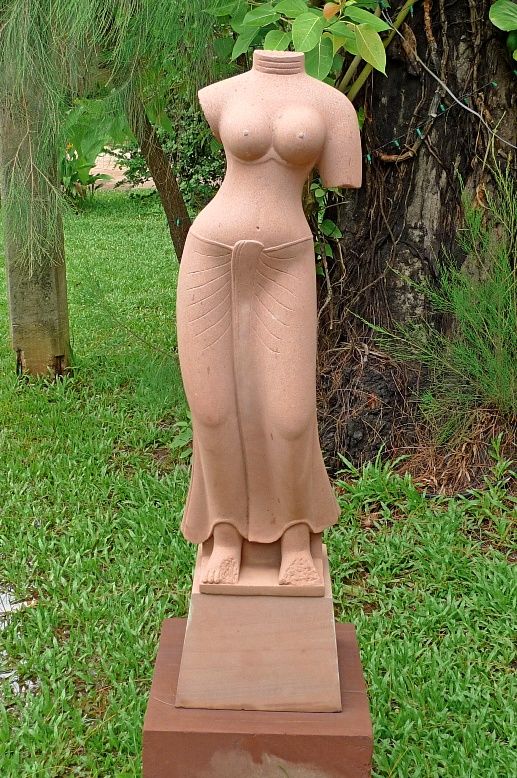

Artistic statue of a Goddess inspired by Indian art?
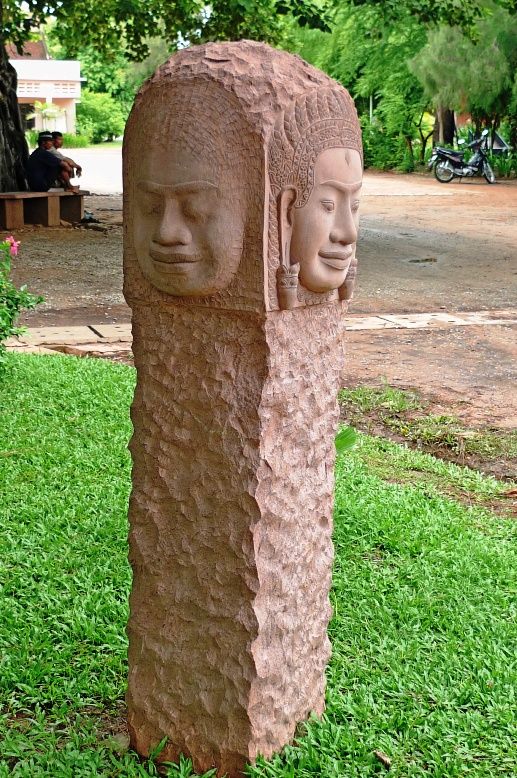


Totem of the four faced Buddha?
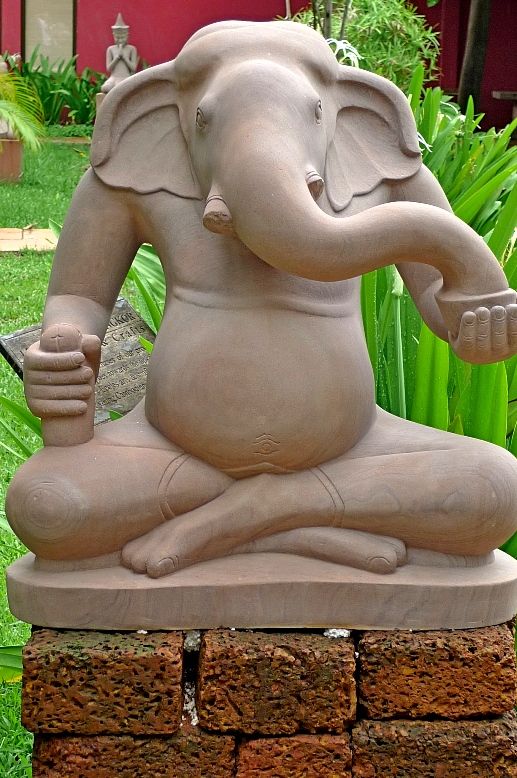


Elephant deity Ganesha
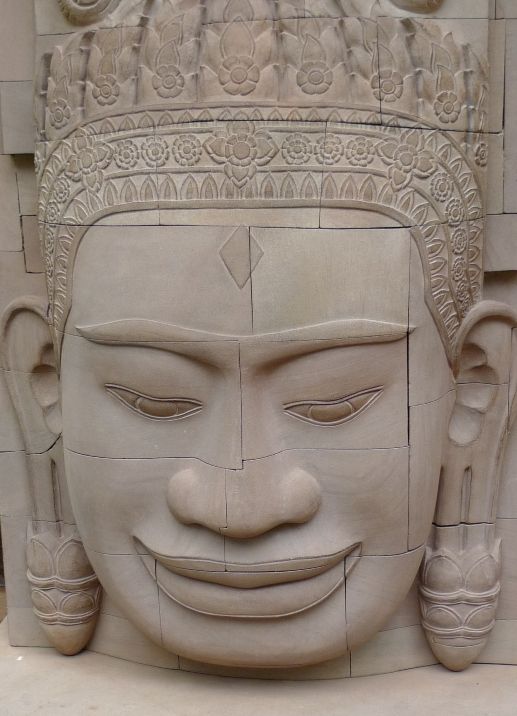


Bayon face
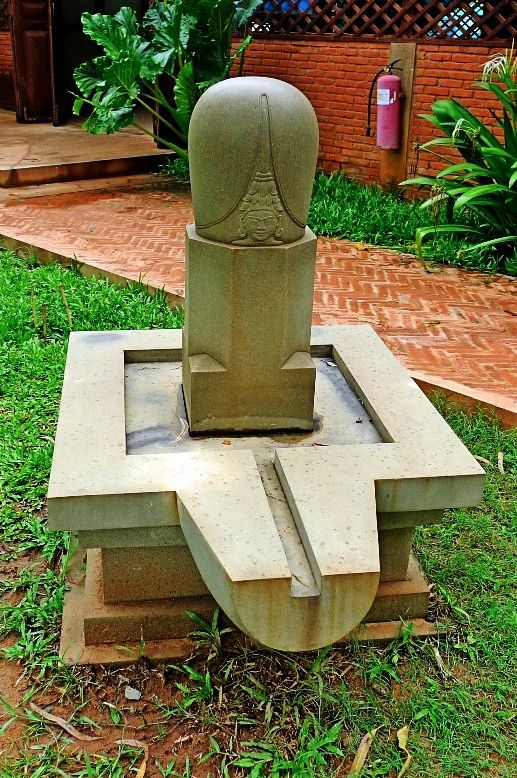

Linga-yoni structure

We ended our tour of Artisans d'Angkor with a visit to the souvenir shop. This is not your ordinary souvenir shop found in the market place but is actually a high quality retail shop with air conditioning. We were not allowed to take pictures inside the shop.

I only managed to take a photo of the shop's entrance.
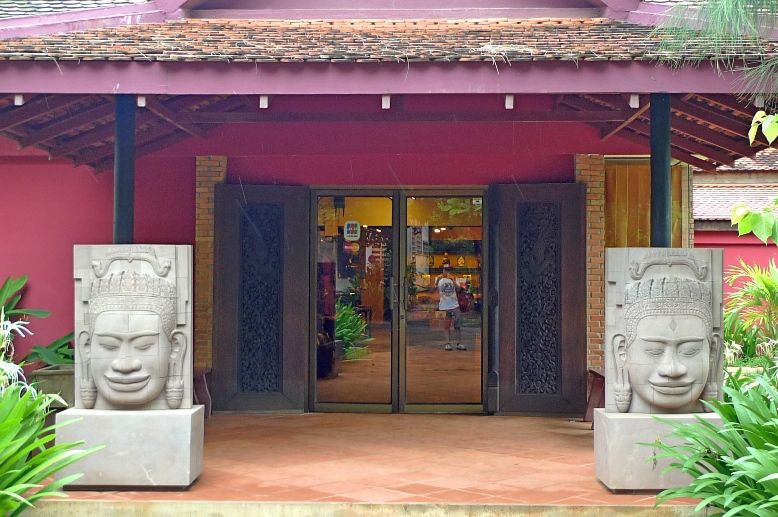


The products sold inside were wood and stone carvings, lacquer wares and silk items from the fine workmanship of the artisans in Artisans d'Angkor. They were of the highest quality, very beautiful and very expensive too!!

I ended up buying a T-shirt (forgot the price!) and the beautiful linga-yoni sandstone like the one in one of the photos above but in miniature size. Measuring about 3.5 inches in length and width and 5.5 inches in height, this linga-yoni sandstone was priced at USD29. You can see the picture of my linga-yoni sandstone HERE.

Now this linga-yoni sandstone is being proudly displayed in my home : )
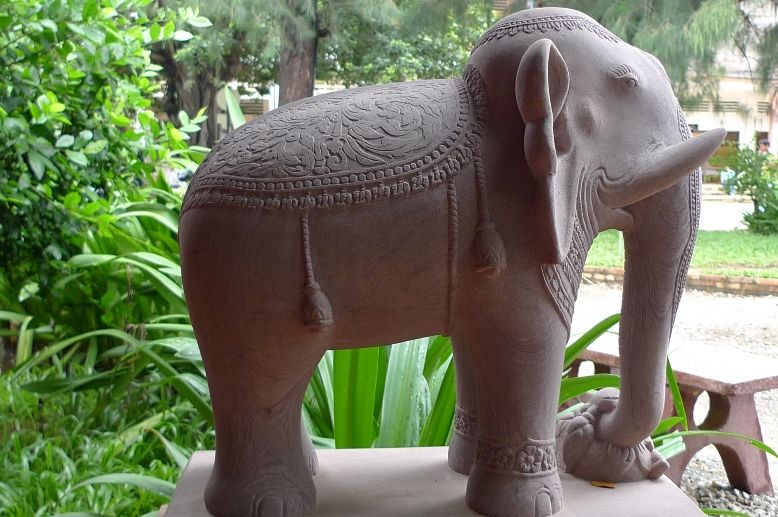

Elephant of Mebon guarding outside the shop's entrance


View of Elephant of Mebon from the top
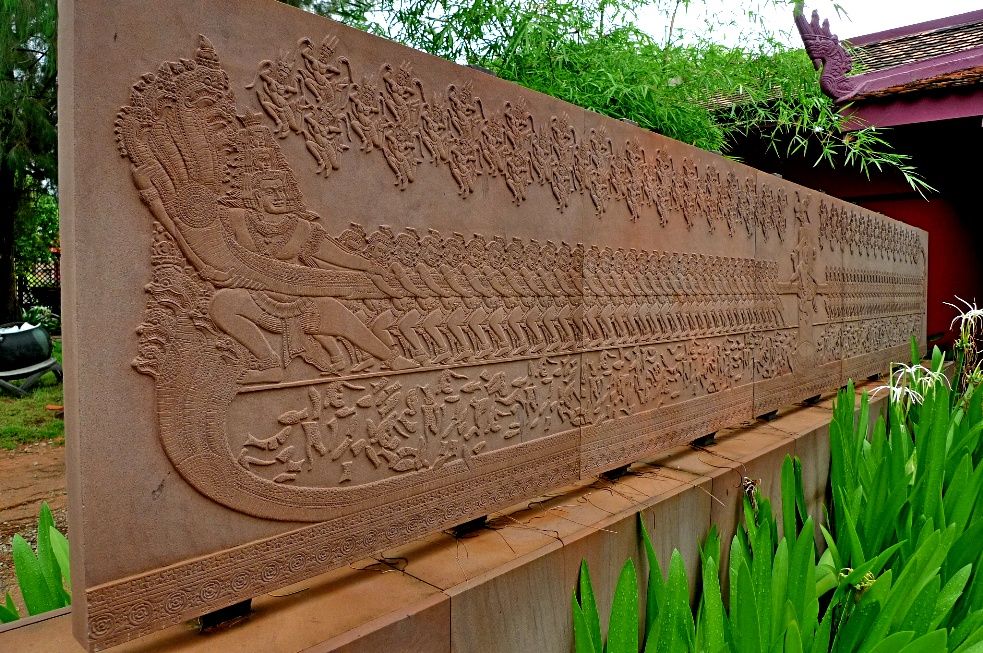

Carvings of devas and asuras pulling the Naga on a wall outside the souvenir shop

Artisans d'Angkor is definitely worth a visit so make sure this place is part of your itinerary should you travel to Siem Reap.

Coming Up Next : Walking The Streets Of Siem Reap

FIRST COMMENTER

Wednesday, August 11, 2010

My Linga Yoni Sandstone From Cambodia

This is one of the more interesting things I bought during my trip to Cambodia.

Can you guess what it is?


Don't know? How about if I take the view from the top?


Clearer now? Or still don't know? OK, let me give you an even clearer picture.


Now you got it? Yes, it's the linga-yoni symbol which I found in many places in Cambodia, even in the ruins of Angkor Thom.


The linga is shaped like the male sexual organ while the yoni is the female genitalia. However, before you start thinking dirty thoughts, this object is actually considered sacred by the Hindus.

I shall not attempt to explain more as I am still new to this and I think the more I talk about it, the more wrong things I will end up saying. And the more corrupted your mind might become, if it is not already. Haha! So google it for more information or if you like, read more about linga HERE and yoni HERE.


The above photo showed linga separated from yoni.

I bought this linga-yoni sandstone (measuring about 3.5" in length and width and 5.5" in height) from the famous Artisans d'Angkor shop in Cambodia. Priced at USD29, you now know why I cannot give this away as souvenir or even as a prize in my blog's recent contest. I am not that rich OK?

It's currently displayed in my home together with other fine things.

I knew I was in trouble the other day when my mom asked me what exactly is this object. I just blurted out, "Oh, it's some kind of artistic sculpture from Cambodia."

Which is kind of true, don't you think? : )

FIRST COMMENTER
Sunday, May 2, 2010

Ryoshi, Kumbasari and Batubulan

After leaving Tanah Lot without seeing the sunset, our driver drove us back to our respective hotels.

My friend and I took a quick shower before heading to the airport to pick up our friend who would be arriving later that night.

As soon as we picked him up, we went for dinner at Ryoshi, a Japanese restaurant located at Jalan Seminyak.


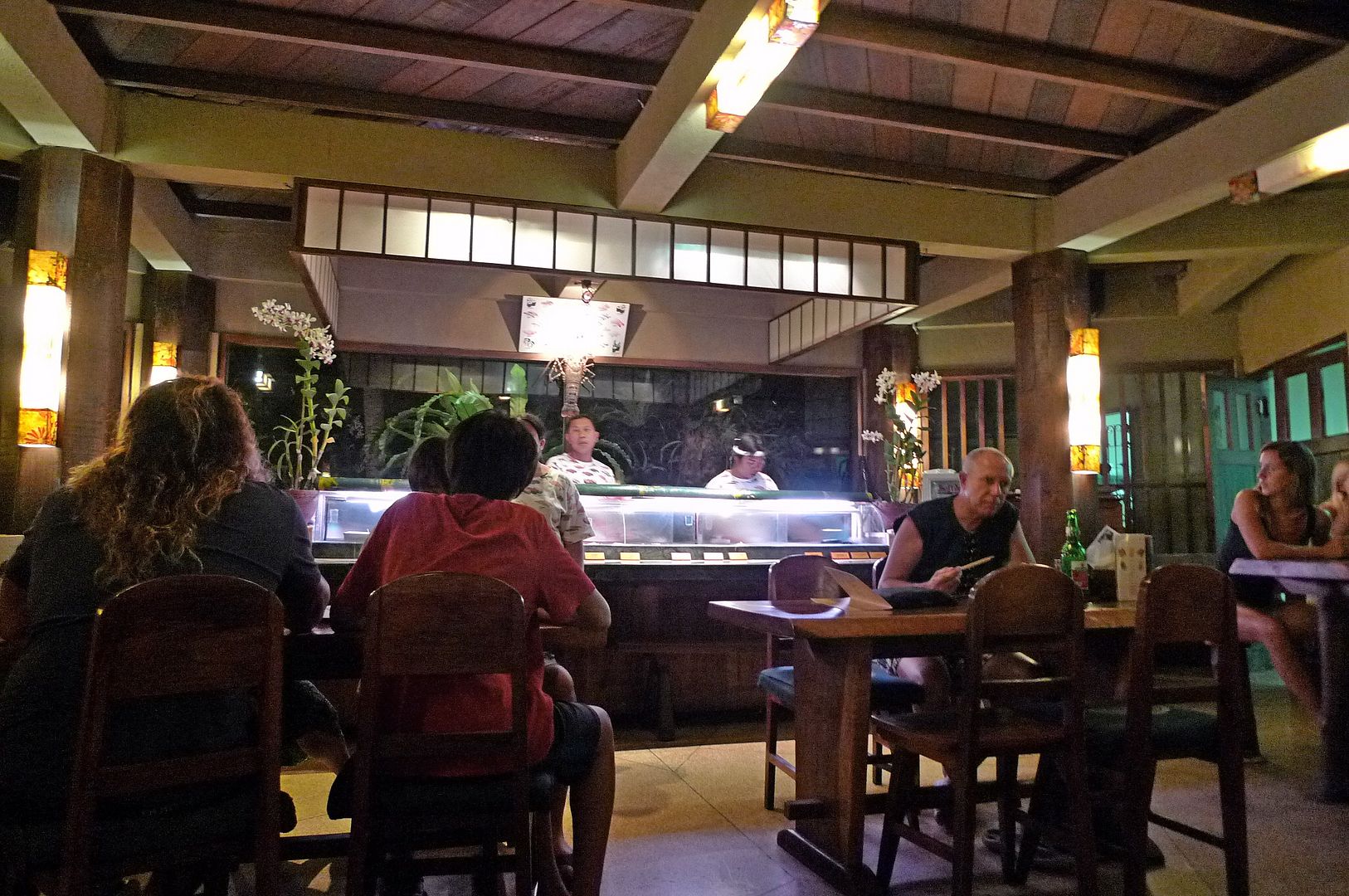
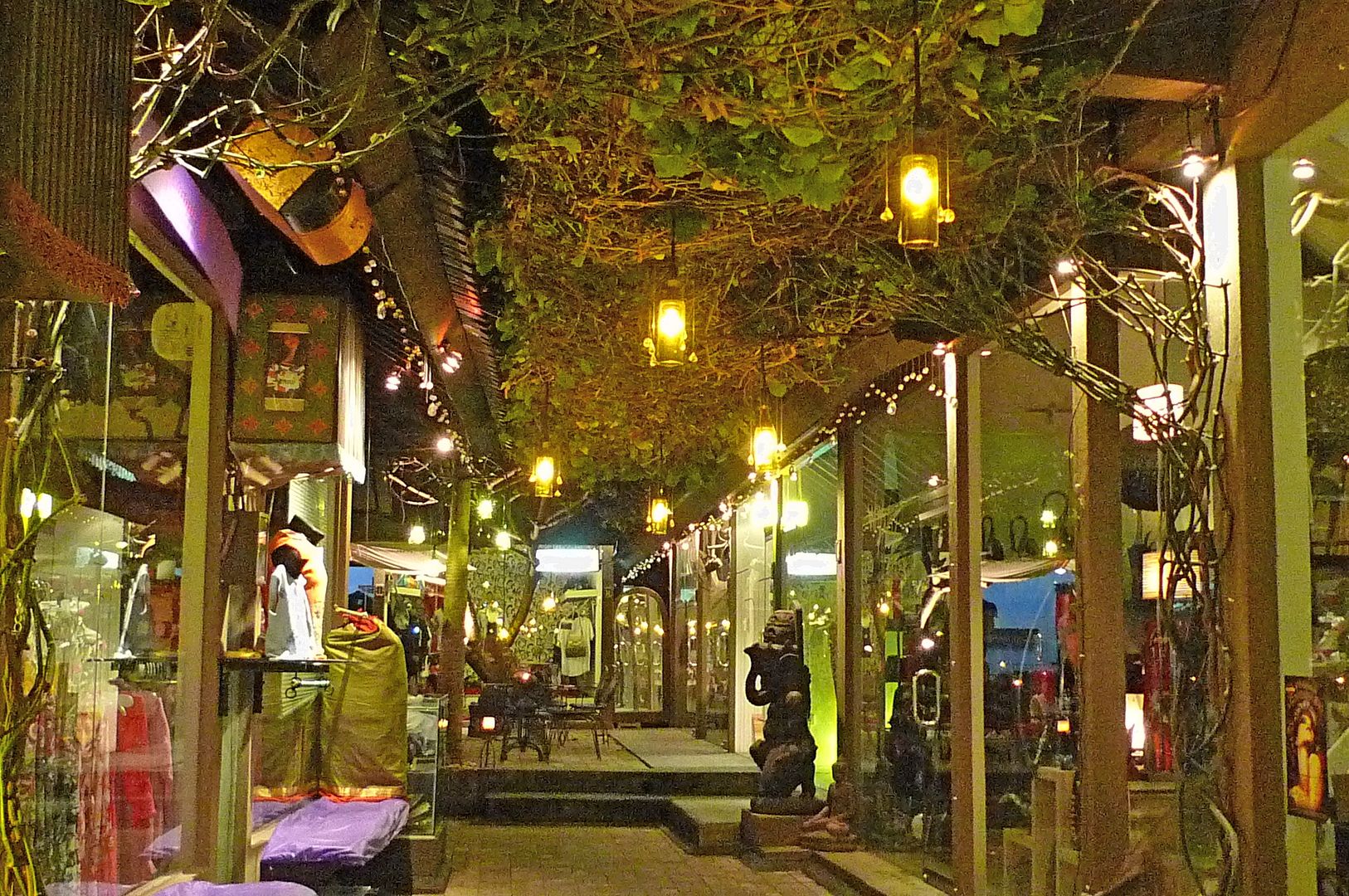
I liked the ambience in the restaurant.


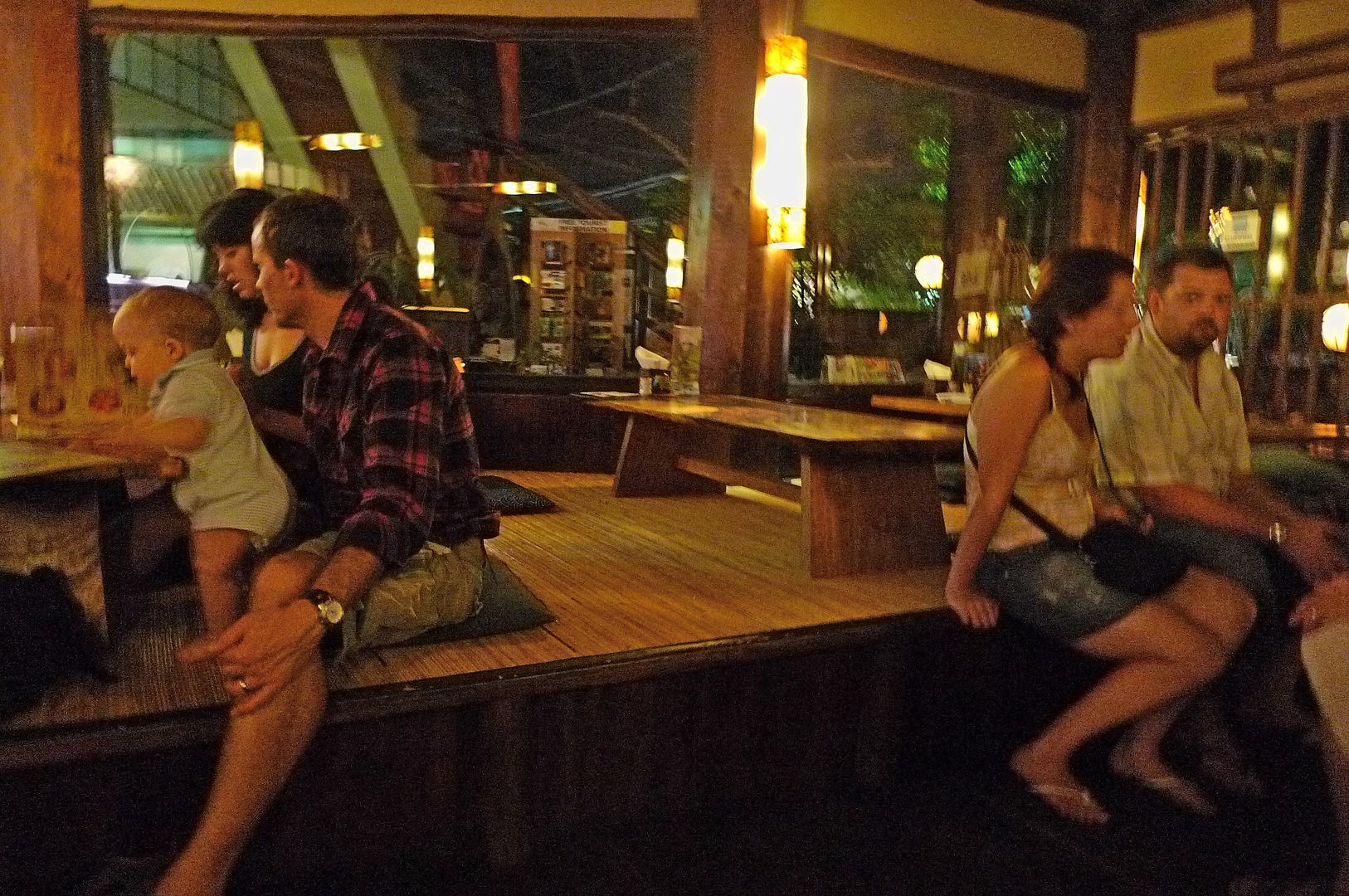
We were seated on a wooden platform like this.


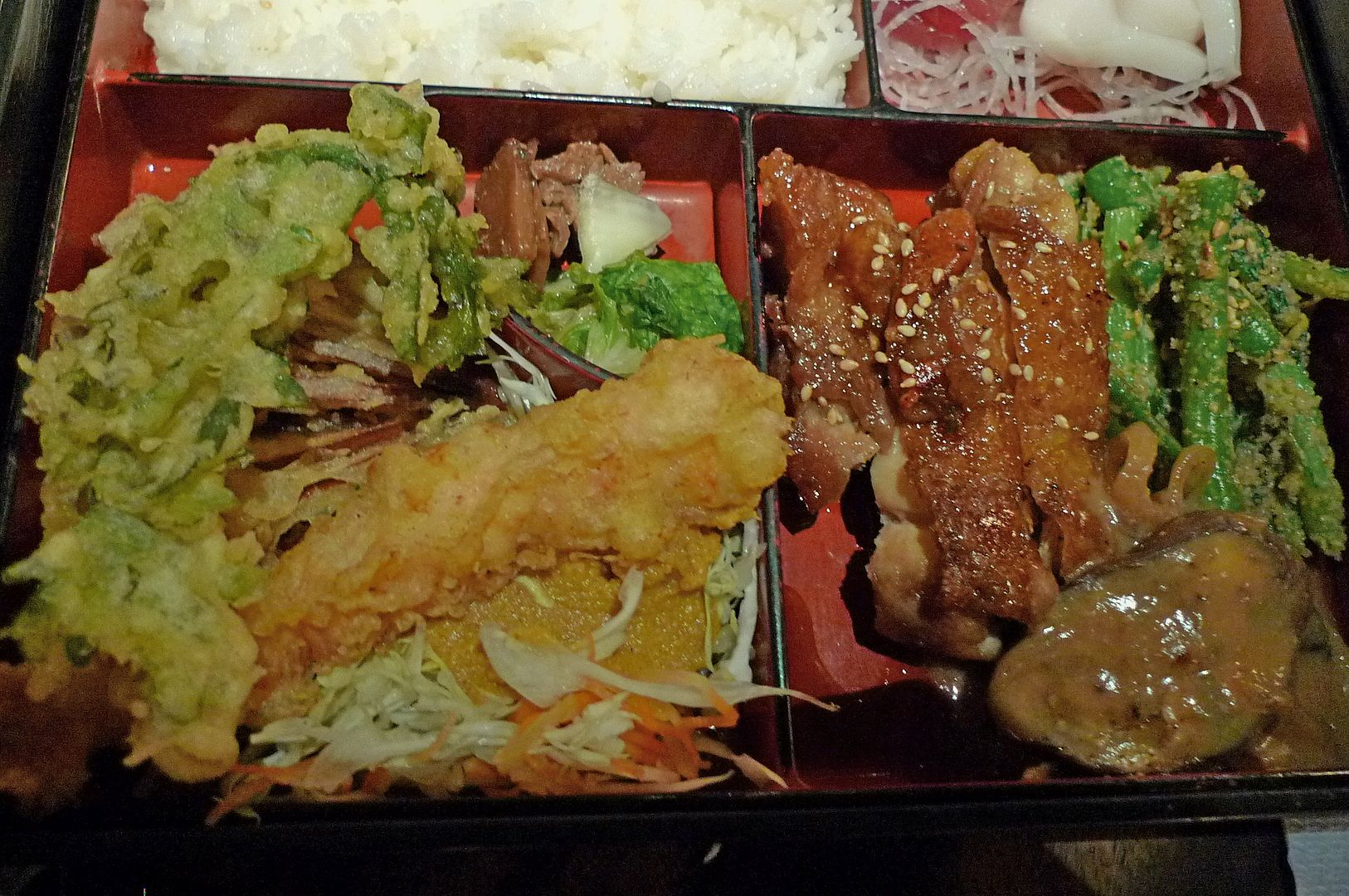
The photos did not turn out good but anyway, I ate this. It was good! My friend who just arrived from the airport also ate the same dish.


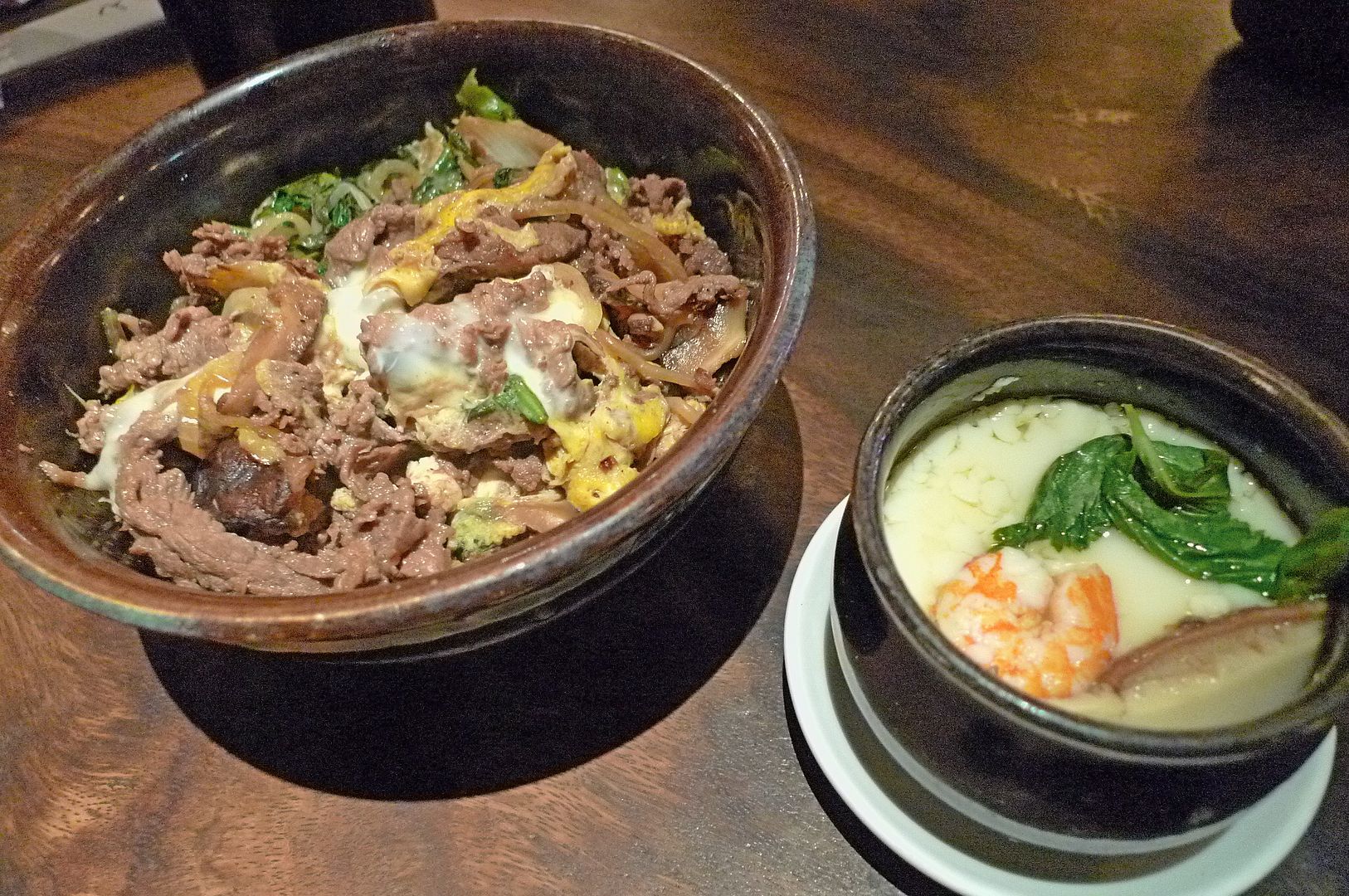
My other friend ate this. He told me the chawanmushi (right side of the photo) was yummy!


After dinner, we had a leisure walk along Jalan Seminyak before calling it a night.


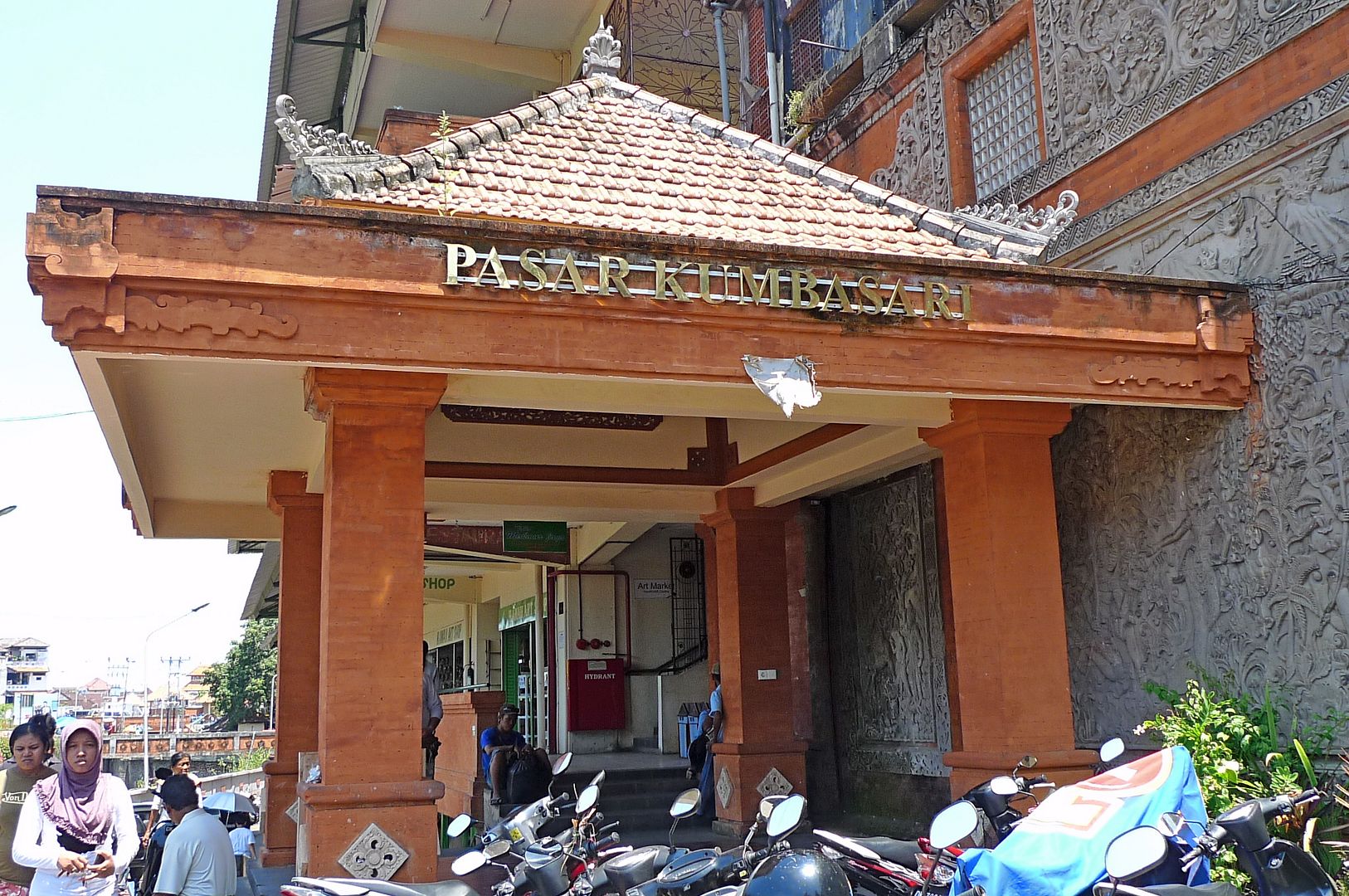
The next morning, we woke up early to go to the Kumbasari Market with the ladies at Denpasar. After a night of rest, both my female friends had completely recovered from their headaches the evening before.


The Kumbasari Market located near the river, is a three-level (if I remember correctly) building which houses lots of shops selling household wares, clothing, groceries and souvenirs. The shops selling similar items were grouped together which made it easy for us to compare prices.


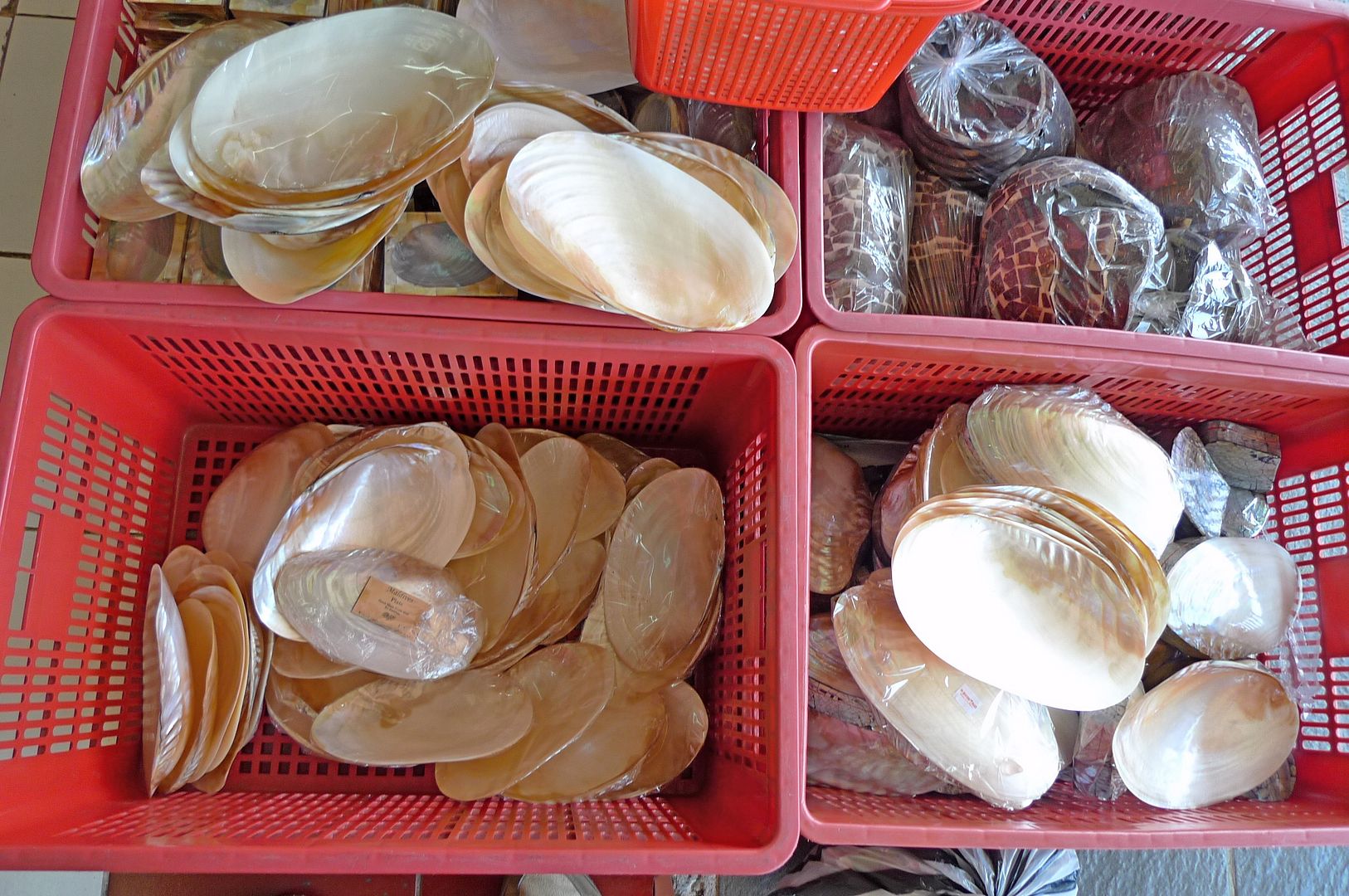
It was here that I bought the Maldives plates and also some Bali soaps souvenirs.

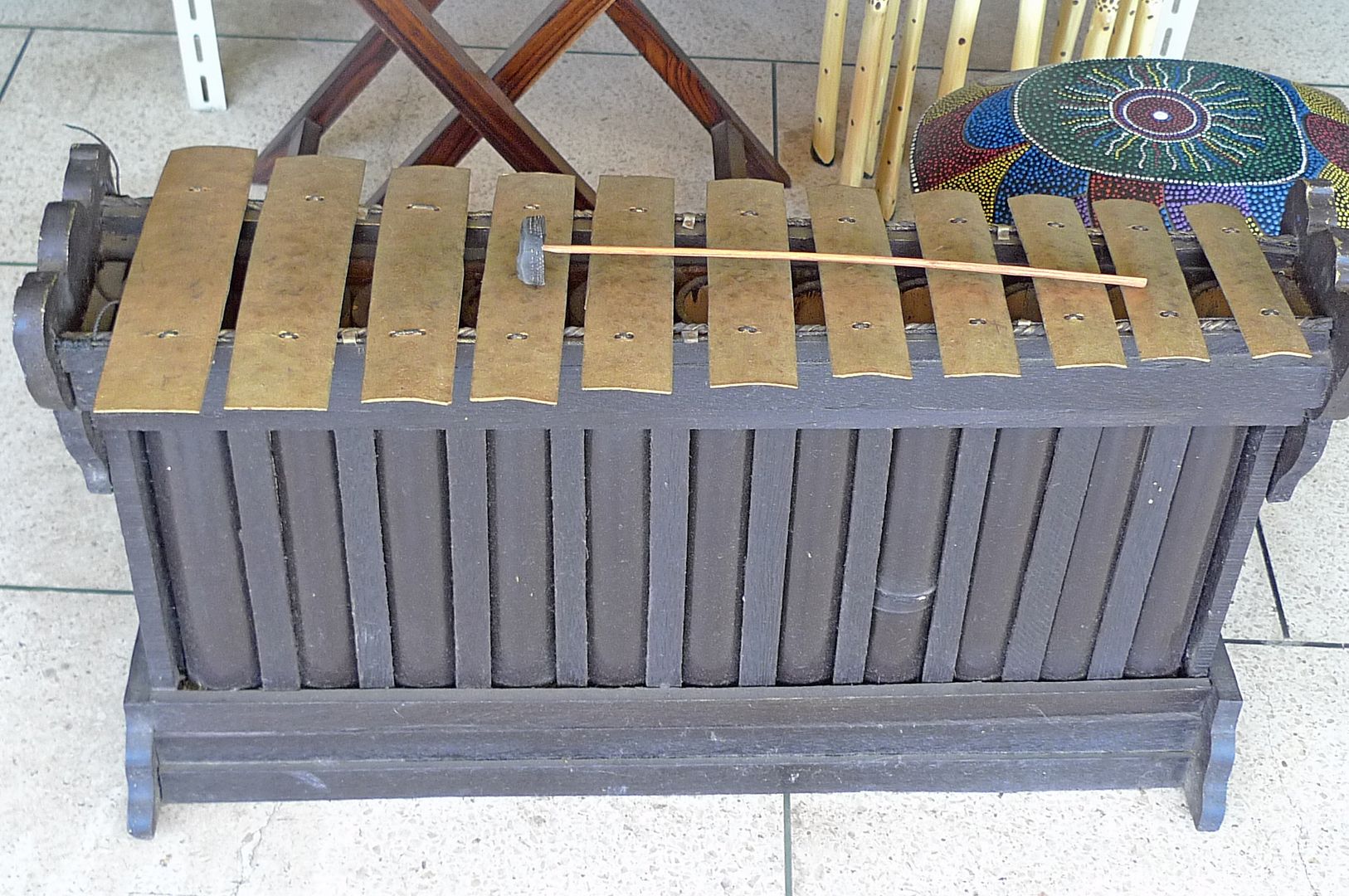
I almost wanted to buy this Balinese musical instrument that looks like the western xylophone.


I tried playing on it and the sound instantly reminded me of the beautiful relaxing music I often hear during massage and spa sessions.

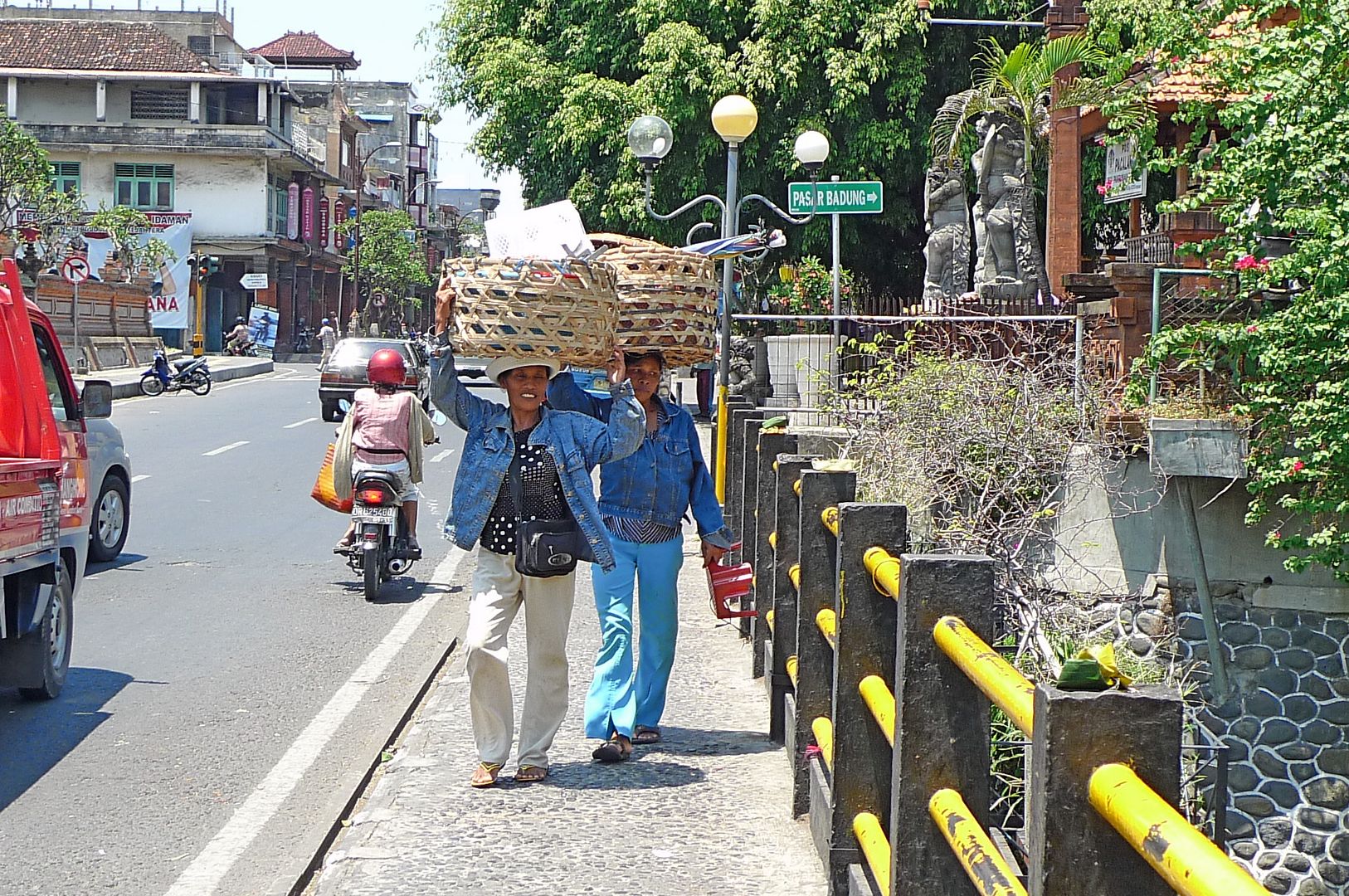
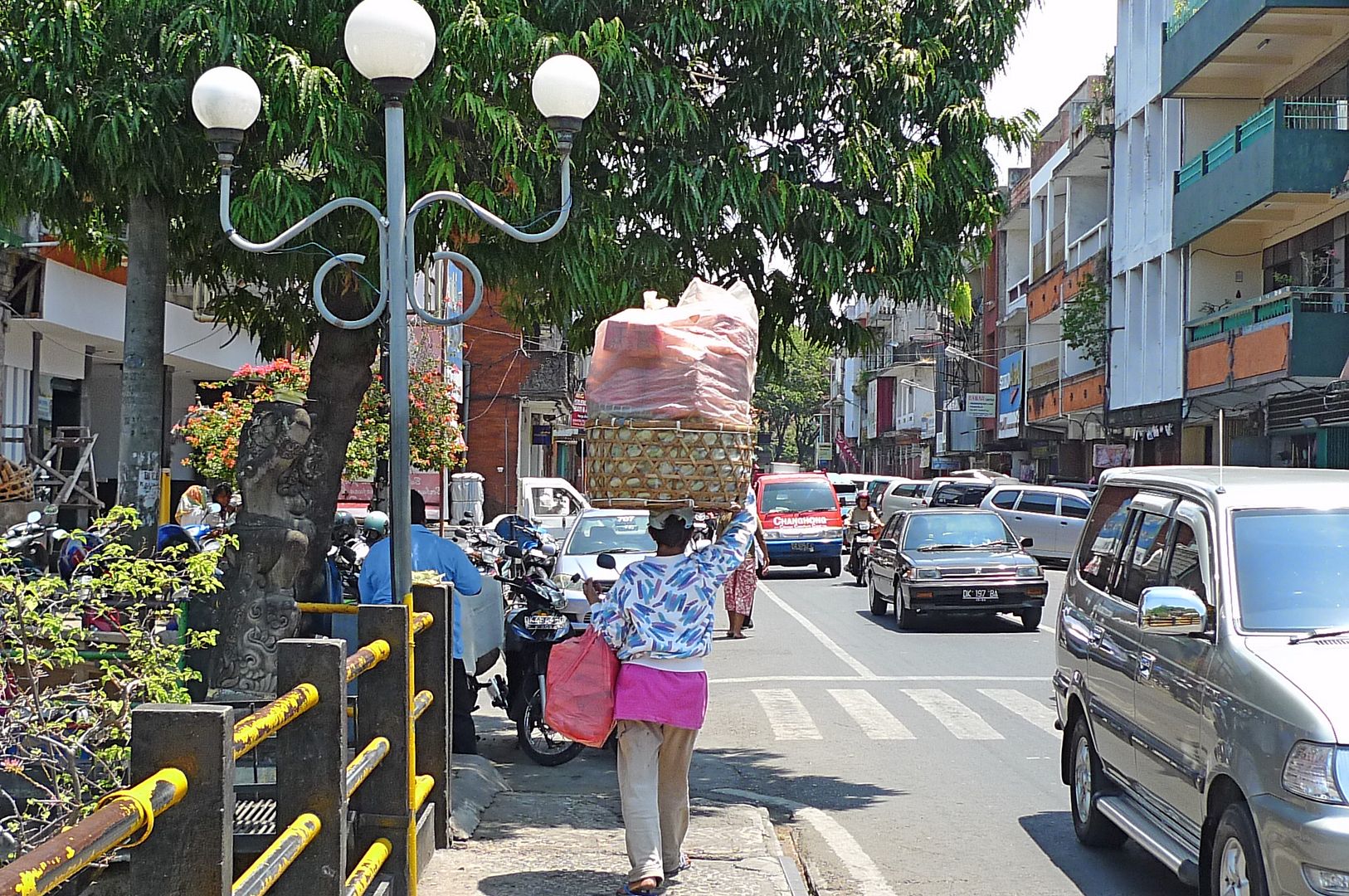
As we walked back to the car where our driver was waiting for us, I could not help noticing these Balinese ladies walking along the street carrying huge baskets on their heads.


It was quite a common sight to see ladies with baskets or other stuffs on their heads in Denpasar.


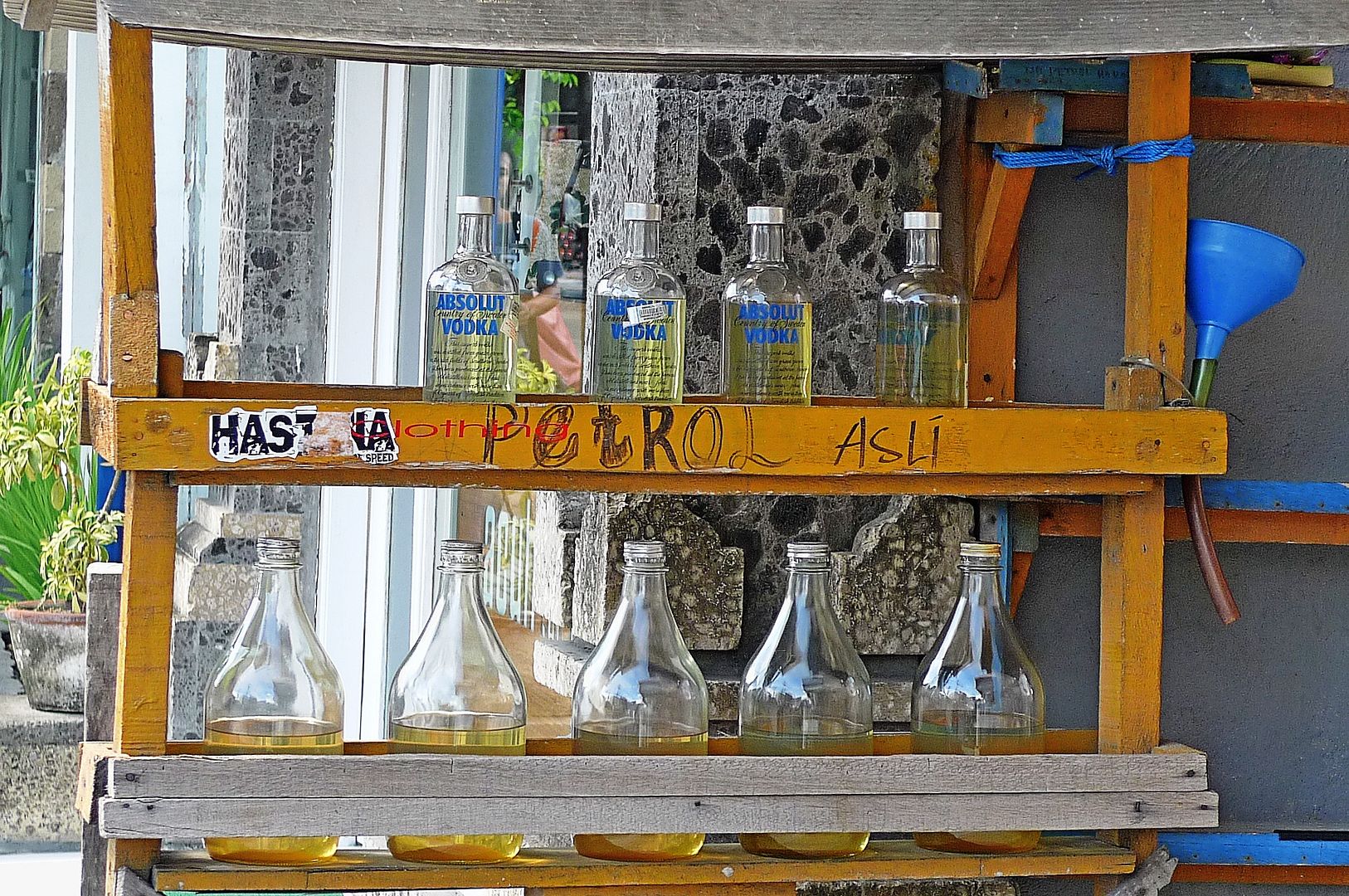
One thing I noticed in Bali is the lack of petrol stations. I was wondering where do car drivers get their petrol from.

Then I saw this by the road side.


You can actually buy petrol in bottles and containers by the road side! If they did not write the word "Petrol Asli" there, I would have thought those were some form of alcoholic drinks! Haha!

Our plan for the day was to visit Ubud, the much talked about place in Bali. We planned to have our lunch at the infamous Ibu Oka to eat Bali's most popular food - babi guling or roasted suckling pig.

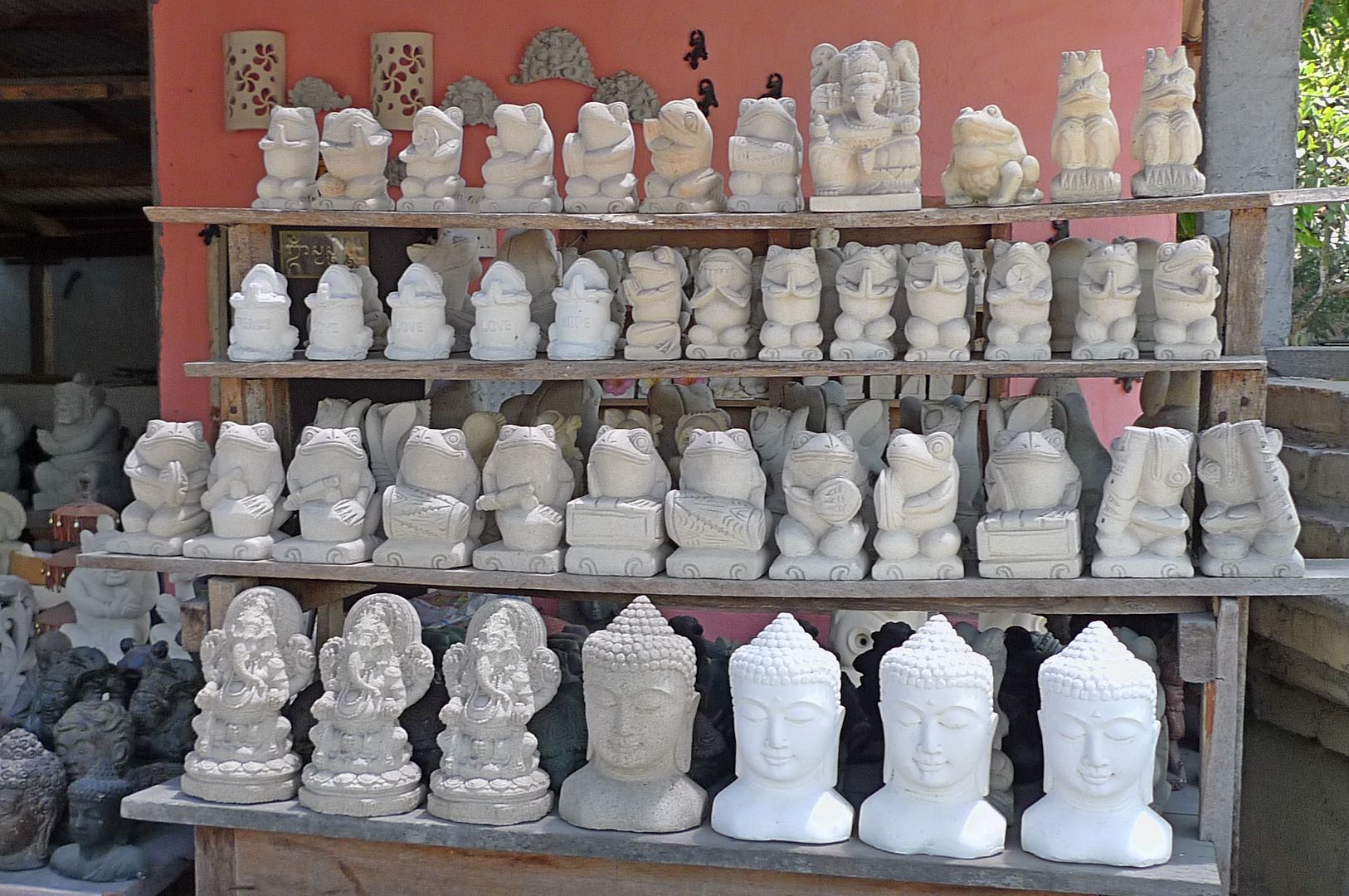
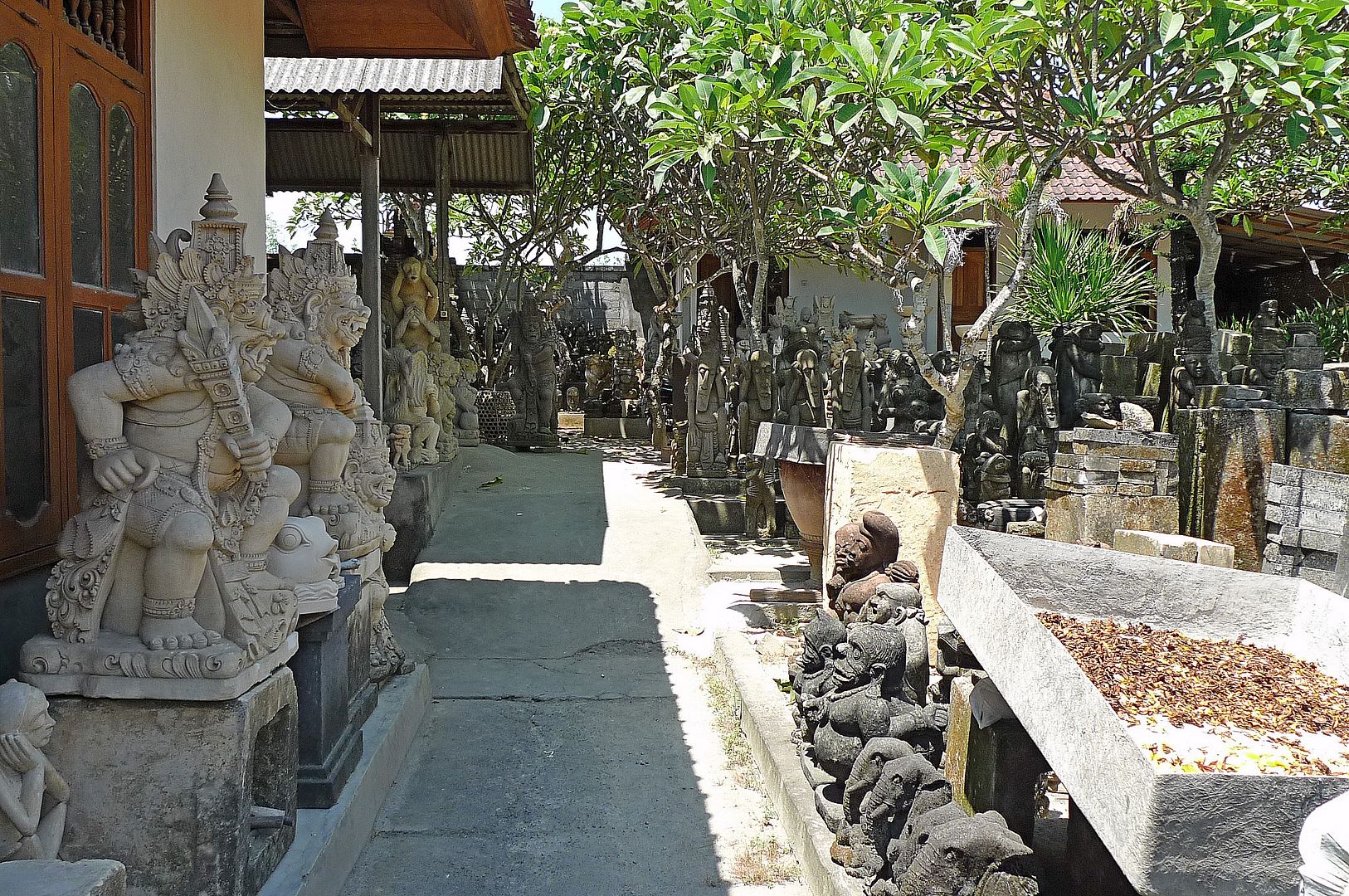
On the way, we stopped by Batubulan to look at the many sand stone statues and stone carvings.


Batubulan is renowned for its stone carvings. You could see all kinds of stone sculptures lining along the road on both side. And all these were sold at cheap wholesale prices and I would dare say 5 to 10 times cheaper than those sold in Malaysia.

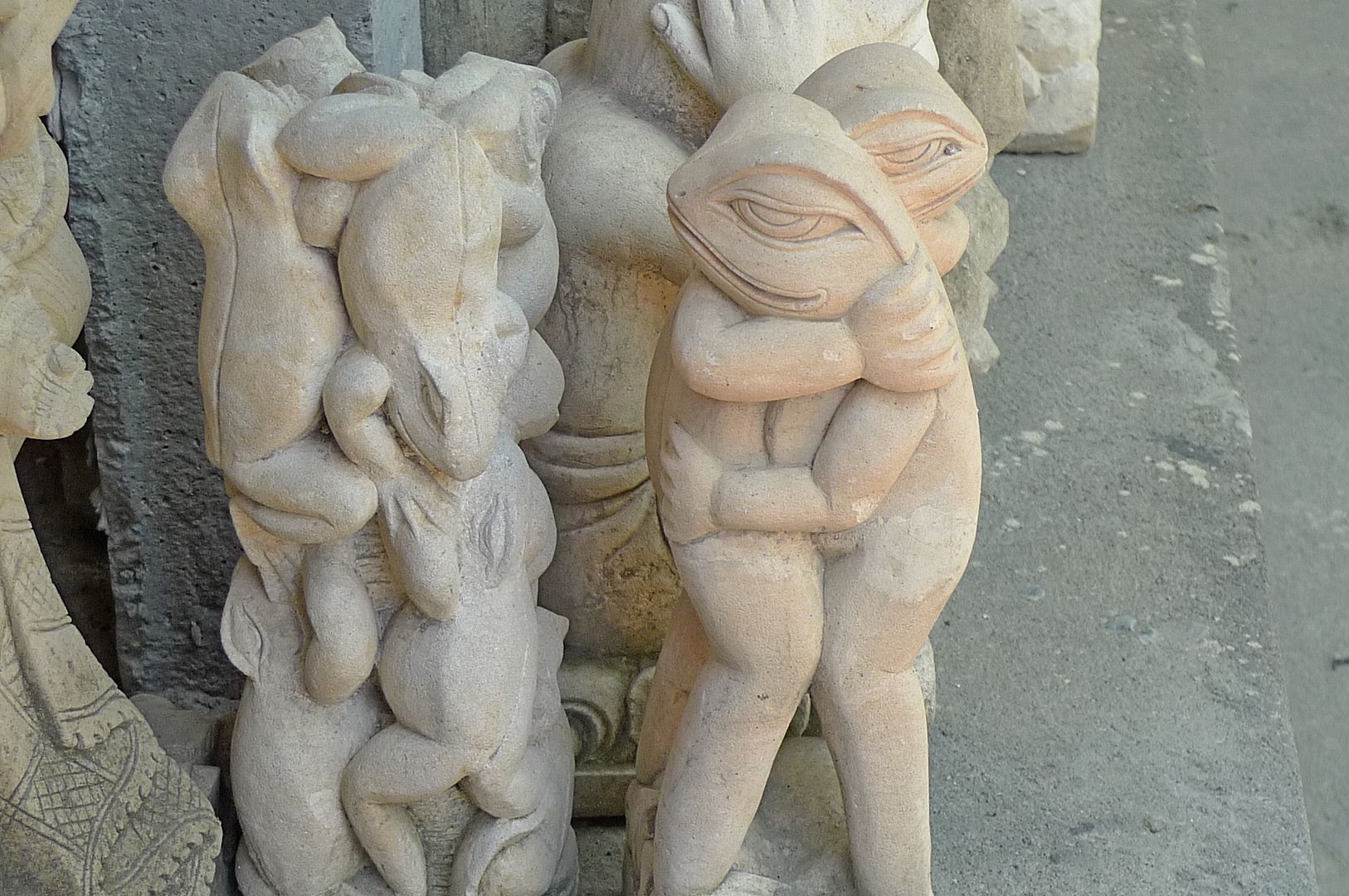
Do you like these cute frogs?


I wonder why the Balinese like frogs so much!

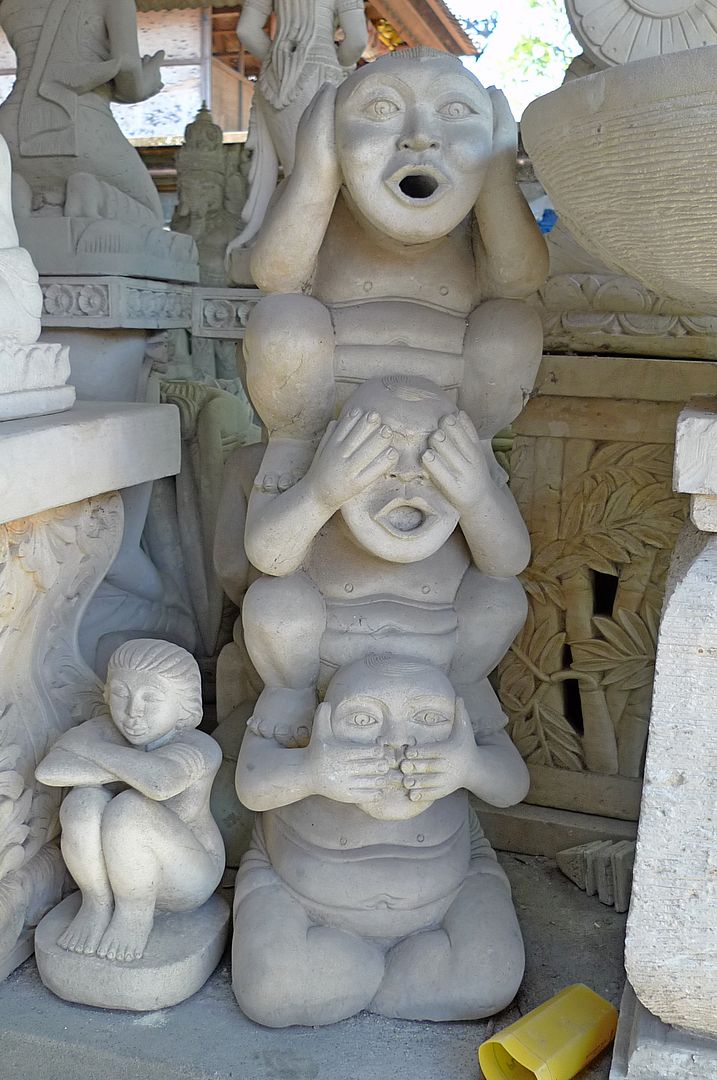
Hear no evil, see no evil and speak no evil!


That would definitely be a topic of conversation if placed in your garden!

Traditional to modern sculptures of all sizes were available.


Nice Buddha statue !


It seemed the craftsmen can make practically anything you request and even arrange to ship them to your address back home.


I should have asked the craftsman to make me a panda stone sculpture! Haha!

After spending almost one hour at Batubulan, it was time for us to head to Ibu Oka in Ubud for our babi guling lunch, which I shall blog about next!

FIRST COMMENTER